

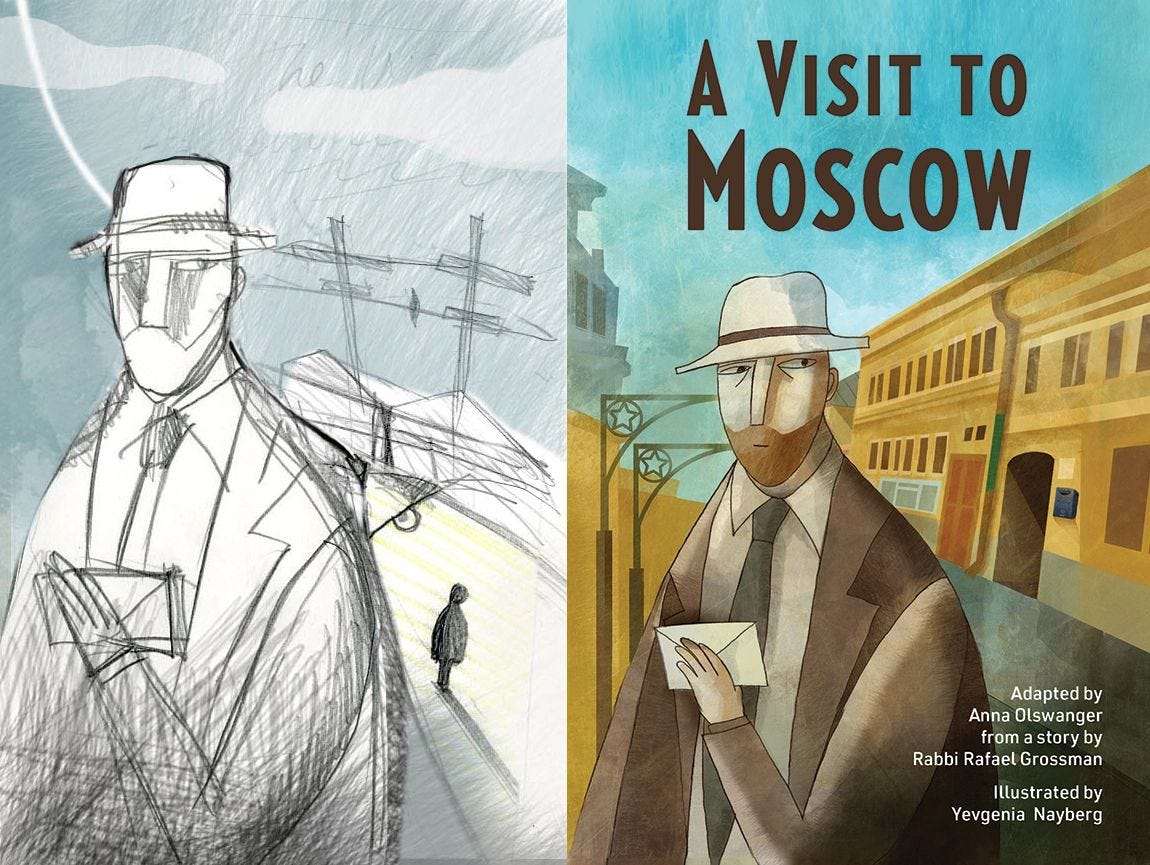
Recently, I reviewed A Visit to Moscow, a graphic novel about an American rabbi who travels to the Soviet Union to investigate reports of Jewish persecution in the 1960s. I am delighted to now interview the book’s author, Anna Olswanger, about its creation.
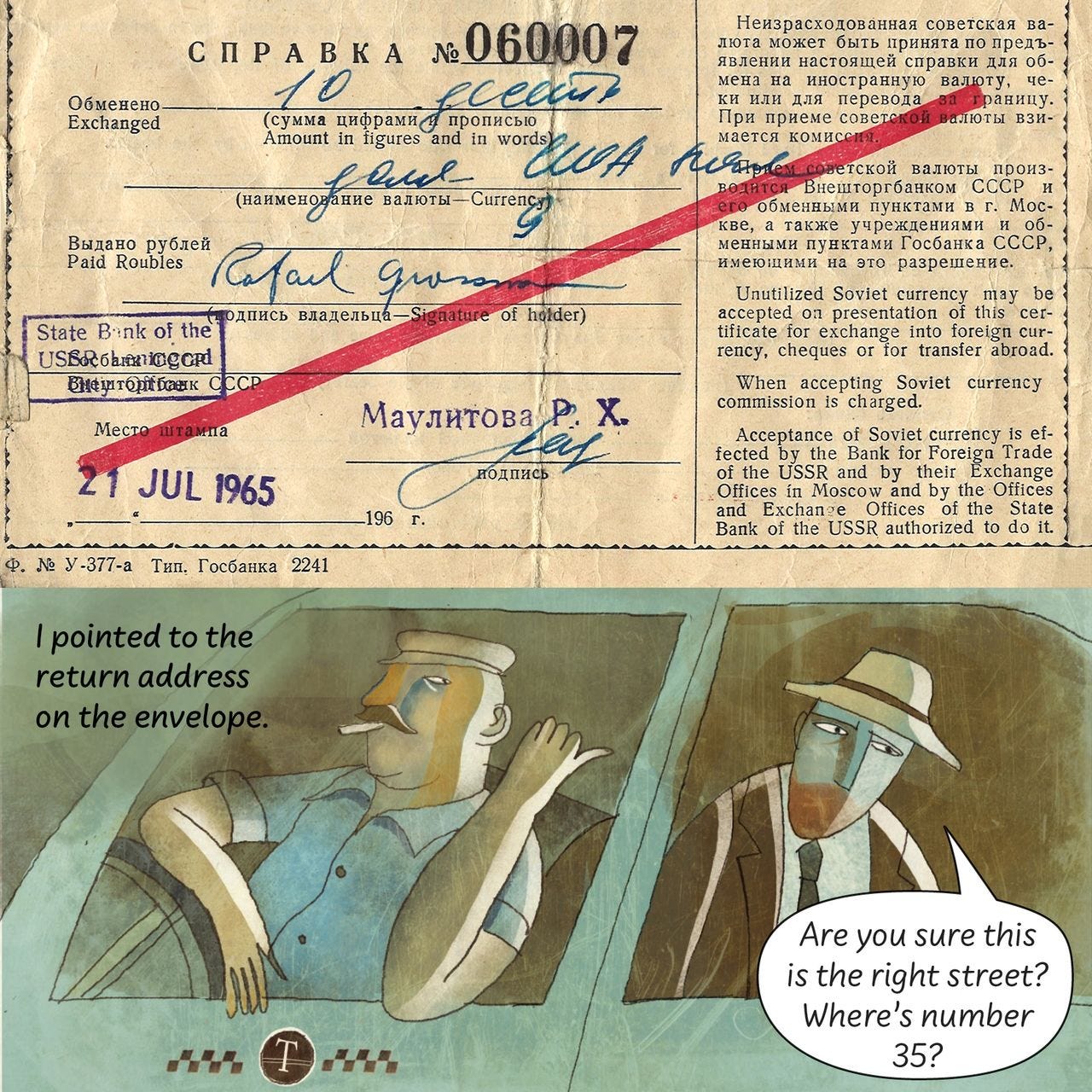
Anna Olswanger first encountered the story behind A Visit to Moscow in the early 1980s, when she spoke with Rabbi Rafael Grossman about his 1965 trip to the Soviet Union. Among the many striking experiences he shared, one stood out: the haunting tale of a boy who had never left the room he was born in. For decades, that story stayed with Olswanger. It wasn’t until after Grossman’s death in 2018 that she began the process of turning the story into a graphic novel—a format she had never attempted before.
Discovering the Graphic Novel Form
Although Olswanger had a background in picture books and was an experienced literary agent, she realized that prose alone couldn’t fully capture the emotional and historical weight of the story. She wondered if the visual possibilities of the graphic novel medium might allow her to unlock the narrative’s deeper layers.
Inspired by other nonfiction graphic works—particularly Ari Folman’s adaptation of The Diary of Anne Frank—she embraced the challenge of graphic storytelling. She found the interplay between text and image uniquely suited to conveying memory and atmosphere, especially in a story rooted in silence, repression, and faith.
What began as a one-off project became something more meaningful: a new creative direction. Olswanger now sees graphic novels as her primary form, drawn to the emotional texture they offer and the unspoken power that exists in the “space between panels.”
A Visual Collaboration
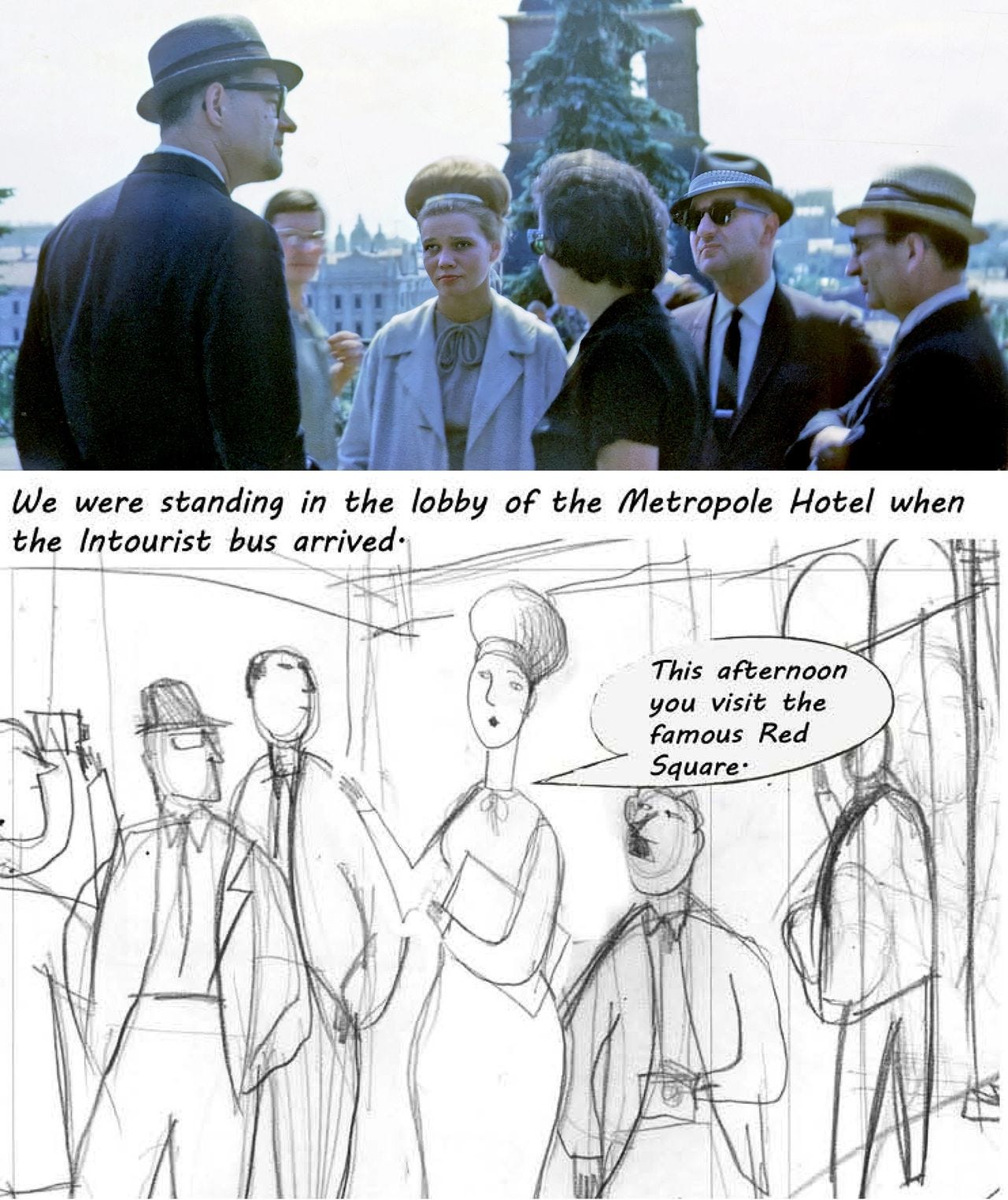
The collaboration with illustrator Yevgenia Nayberg was essential to the book’s success. Olswanger, who at the time represented Nayberg as an agent, trusted her completely to shape the visual world of the story. Rather than dictating layout or pacing, she provided a narrative broken into page blocks and gave Nayberg the freedom to bring it to life visually. This hands-off approach allowed Nayberg—herself a Jewish émigré from the former Soviet Union—to weave in elements of silence, mystery, and tension that might otherwise have gone unnoticed.
A Book for All Ages
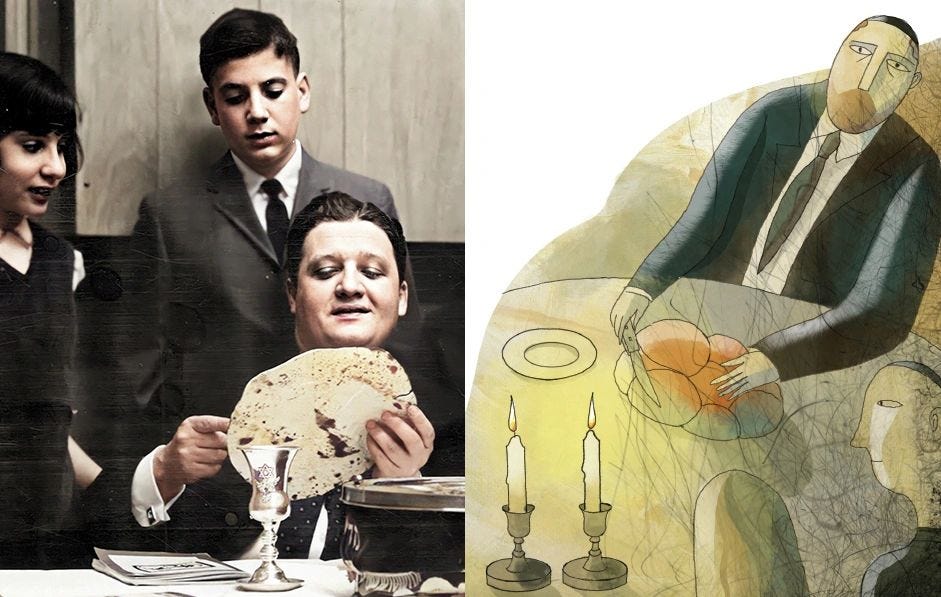
Although the book centers on an adult rabbi, Olswanger always saw the child at the heart of the story as its emotional anchor, making the story resonate with younger readers as well. Initially envisioned for middle-grade or high school audiences, the publisher eventually marketed the book as a crossover title for adults. As a result, it didn’t benefit from traditional school or library promotion. However, librarians across the U.S. later reported that students connected with it deeply, and many librarians have included it in their collections for young readers.
This response highlights one of the challenges Olswanger has encountered in the current publishing landscape. Categorizing a book as a “crossover” often risks it falling between the cracks. But in this case, it found its readership—both among Jewish and non-Jewish audiences—through the power of its storytelling and design.
Honoring the Past with Focus
While A Visit to Moscow touches on the wider context of the Soviet Jewry movement, Olswanger chose to keep the scope intentionally narrow. She approached the book with what she calls “tunnel vision,” focusing solely on the intimate, human aspect of Grossman’s story. That clarity of focus gives the book its strength, though it has since sparked conversations and collaborations around the broader history.
Critical Reception and Recognition
The book’s reception has been positive across both Jewish and general media outlets, earning strong reviews and, notably, an Eisner Award nomination for Best Adaptation from Another Work. For Olswanger, this recognition has been especially meaningful in a time when Jewish-themed stories can face additional hurdles in the publishing world.
She acknowledges that the mystical framing of the story—particularly its surreal beginning and ending—has divided readers. Some critics praised it as the emotional core of the book, while others were less receptive. But Olswanger stands by the decision, seeing it as a necessary part of conveying the layered truth of memory, faith, and resilience.
Navigating a Shifting Publishing Climate
As both an author and agent, Olswanger is acutely aware of the growing challenges surrounding Jewish and Israel-related content. She notes that books she represents have been rejected based solely on subject matter. Rather than tailoring work to the market, she encourages her clients to focus on making the most beautiful and authentic book they can—then seek out publishers who will appreciate it.
She remains optimistic, believing that new technologies and platforms may offer ways to connect stories with readers more directly, bypassing traditional gatekeepers who might otherwise disregard certain topics.
Looking Ahead
Having experienced the potential of graphic novels to bridge historical memory and emotional truth, Olswanger is committed to working in the form moving forward. For her, it’s not just about telling stories—it’s about honoring them, and doing so with both visual and narrative integrity.
For more on Anna Olswanger and her projects, visit www.olswanger.com
Interview by Jonathan Sandler, Author of THE ENGLISH GI: WORLD WAR II GRAPHIC MEMOIR OF A YORKSHIRE SCHOOLBOY’S ADVENTURES IN THE UNITED STATES AND EUROPE published in April 2022.